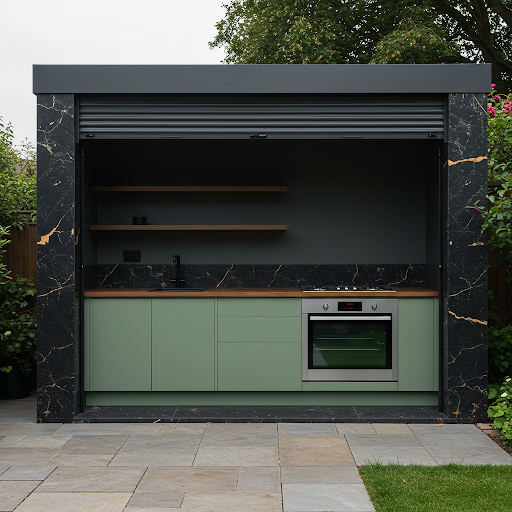
The Advantages of a Garden Kitchen Station

The Advantages of a Garden Kitchen Station

The Advantages of a Garden Kitchen Station

As outdoor living continues to grow in popularity, more homeowners are discovering the joy and practicality of adding a garden kitchen station to their backyard. This compact yet versatile outdoor cooking space combines the pleasures of nature with the functionality of an indoor kitchen—transforming ordinary meals into unforgettable experiences.

Whether you’re a seasoned chef or just love hosting friends and family, a garden kitchen station offers several unique advantages that make it a smart and stylish addition to any home.


🌿 1. Outdoor Cooking, Elevated

Cooking in the fresh air adds a whole new level of enjoyment to meal preparation. A garden kitchen station allows you to grill, chop, sauté, and serve—all without having to run back and forth between the garden and your indoor kitchen.


☀️ 2. Perfect for Entertaining

Garden kitchen stations make outdoor entertaining seamless. Everything you need is within arm’s reach: grill, sink, prep area, and storage. Guests can gather around while you cook, turning dinner into a social event. Some models even feature bar-style seating or mini fridges for added convenience.


🧼 3. Keeps Indoor Spaces Cleaner

By doing your prep work and cooking outside, you reduce the mess indoors—less heat, fewer cooking smells, and no oily surfaces to scrub later. Plus, garden kitchen stations often include dedicated trash bins and wash-up sinks.


🧩 4. Space-Saving & Compact Design

Unlike large outdoor kitchens, a garden kitchen station is compact and modular—perfect for smaller gardens, patios, or even rooftop terraces. These stations offer maximum utility in minimal space and are often mobile or semi-permanent for flexible use.


🔧 5. Easy to Set Up and Maintain

Many modern garden kitchen stations, such as those produced by innovative brands like Net Kapsül Ev, come pre-assembled or in easy-to-install modules. Built with weather-resistant materials and smart storage, they require minimal maintenance over time.


♻️ 6. Eco-Friendly Options

Garden kitchen stations can support more sustainable living. Composting bins, solar lighting, and water-efficient sinks are often included in advanced models, helping you reduce your environmental footprint while enjoying outdoor life.


💡 7. Year-Round Usability

With proper shelter or a foldable cover, a garden kitchen station can be used in different weather conditions. Add a canopy or pergola, and you’ve got a space that’s functional rain or shine.


🏡 8. Adds Value to Your Home

An outdoor kitchen station is not just a lifestyle upgrade—it’s a value booster. Garden kitchen installations are increasingly desirable features in the real estate market, making your home more attractive to future buyers.


Conclusion

A garden kitchen station is more than just a trendy addition—it’s a functional, social, and environmentally conscious upgrade that enhances the way you live and cook. Whether for casual weekend BBQs or everyday meal prep, it brings joy, convenience, and style right into your backyard.

The Advantages of a Garden Kitchen Station

How to Create a Business Plan for a Capsule Hotel

How to Create a Business Plan for a Capsule Hotel

Capsule hotels have become a booming trend in the hospitality industry, offering budget-friendly, space-efficient accommodations. Originally popularized in Japan, they have expanded globally, attracting backpackers, business travelers, and digital nomads. If you’re considering investing in a capsule hotel business, a well-structured business plan is essential for success.

In this guide, we’ll cover the key elements of a capsule hotel business plan, including market research, financial planning, operational strategy, and marketing.


1. Executive Summary

The executive summary provides an overview of your capsule hotel business. It should include:

  • Business name and concept – What makes your capsule hotel unique? Will it cater to luxury travelers, budget tourists, or business professionals?
  • Location – Where will your hotel be situated? High-traffic areas like city centers, airports, or train stations are ideal.
  • Mission statement – What are your business goals and vision?
  • Financial overview – A brief look at estimated costs, revenue projections, and profitability timeline.

Tip: Keep this section concise, as it serves as a summary for potential investors or lenders.


2. Market Research and Industry Analysis

Before starting a capsule hotel, understanding the market is crucial. This section should cover:

  • Target Audience: Who are your ideal customers? (Backpackers, business travelers, solo tourists, etc.)
  • Competitor Analysis: Identify direct and indirect competitors in your chosen location.
  • Market Trends: Discuss the rise of capsule hotels, customer demand, and future industry growth.
  • SWOT Analysis: Outline Strengths, Weaknesses, Opportunities, and Threats related to your business.

3. Business Model and Revenue Strategy

Clearly define how your capsule hotel will generate revenue. Your business model should include:

Primary Revenue Streams:

  • Capsule Rentals: Charge per night per pod (£15-£80, depending on location and luxury level).
  • Membership Plans: Offer discounts for frequent travelers or long-term stays.

Additional Revenue Streams:

  • Food & Beverage: Café, vending machines, or partnerships with local restaurants.
  • Merchandise Sales: Travel essentials, souvenirs, and branded items.
  • Co-Working Spaces: Many digital nomads prefer capsule hotels with work-friendly environments.

4. Location and Property Considerations

Your location will significantly impact your success. When selecting a property, consider:

  • City Center or Airport Areas: High visibility and foot traffic.
  • Tourist and Business Districts: Close to attractions, transportation hubs, and corporate offices.
  • Building Type: Renovate an existing structure or build a new one?

You should also outline rental or purchase costs and any zoning or licensing regulations.


5. Design and Infrastructure

The layout and facilities of your capsule hotel will determine guest experience and operational efficiency. Include:

  • Number of capsules – Small-scale hotels (20-30 pods) vs. large-scale (100+ pods).
  • Pod Design – Basic vs. luxury capsules (LED screens, ventilation, privacy features).
  • Common Areas – Bathrooms, lounges, lockers, and reception.
  • Technology – Self-check-in kiosks, smart locks, and automated booking systems.

Estimated setup cost per capsule: £20,500 – £46,500.


6. Financial Plan and Investment Breakdown

A detailed financial plan is key to securing funding and ensuring profitability. Include:

  • Startup Costs:
    • Property rent/purchase: £150,000 – £2.5M
    • Capsules & interiors: £80,000 – £320,000
    • Licensing & insurance: £8,000 – £35,000
    • Initial operational costs (6 months): £100,000 – £200,000
    • Marketing & branding: £4,000 – £16,000
  • Revenue Projections:
    • Average price per capsule per night: £30 – £60
    • Occupancy rate: 70% – 90%
    • Expected monthly revenue: £40,000 – £120,000 (for a 50-pod hotel)
  • Profitability Timeline:
    • ROI expected within 3-5 years, depending on operational efficiency.

7. Operational Plan

An efficient operational strategy ensures smooth day-to-day management. Outline:

  • Staffing Requirements:
    • Cleaning staff (2-4 employees)
    • Reception & management team
    • Maintenance personnel
  • Daily Operations:
    • Capsule cleaning and maintenance schedules.
    • Guest check-in/check-out process.
    • Security measures (CCTV, smart locks, 24/7 support).
  • Technology & Automation:
    • Online booking system integration.
    • Contactless check-in via mobile apps.
    • AI-powered guest assistance for FAQs.

8. Marketing and Branding Strategy

A strong branding and marketing plan will help attract customers and establish your capsule hotel as a top choice.

  • Website & SEO: Invest in a professional website with direct booking options.
  • Social Media & Influencer Marketing: Instagram, TikTok, and YouTube are great platforms for promoting capsule hotels.
  • Partnerships: Collaborate with travel agencies, airlines, and tourism boards.
  • Loyalty Programs: Offer discounts for repeat guests and referrals.

Budget: £4,000 – £16,000 for initial marketing campaigns.


9. Risk Management and Contingency Planning

Identify potential risks and outline mitigation strategies:

  • Low Occupancy Rates → Offer discounts during off-peak seasons.
  • Regulatory Changes → Stay updated on licensing and zoning laws.
  • Economic Downturns → Diversify revenue streams (e.g., workspace rentals).
  • Guest Safety Issues → Implement strict security measures and hygiene protocols.

Final Thoughts

Launching a capsule hotel requires strategic planning, investment, and innovation. A well-structured business plan will help you secure funding, navigate challenges, and achieve profitability.

By focusing on the right location, smart design, efficient operations, and strong marketing, you can create a successful capsule hotel that meets modern travelers’ needs.

How to Create a Business Plan for a Capsule Hotel

What is the Cost of Opening a Capsule Hotel?

What is the Cost of Opening a Capsule Hotel?

Capsule hotels, originally from Japan, have become popular worldwide due to their affordability, space efficiency, and unique design. They attract budget travelers, business professionals, and digital nomads looking for a convenient yet comfortable stay. But if you’re considering investing in a capsule hotel business, what are the costs involved?

In this blog post, we’ll break down the key expenses of opening a capsule hotel, including location, construction, licensing, and operational costs.


1. Location and Property Costs

The location of your capsule hotel significantly impacts your initial investment. High-demand areas like city centres, airports, or tourist hotspots will have higher property prices but attract more guests.

  • City Centre Locations: More expensive but ensure higher occupancy rates.
  • Suburban or Airport Areas: More affordable but may require better marketing to attract guests.
  • Existing Property vs. New Construction: Converting an existing building is cheaper than building from scratch.

Estimated Cost:

  • Renting a space: £4,000 – £25,000/month (depending on city and size)
  • Buying property: £150,000 – £2.5 million+

2. Capsule Pods and Interior Design

The heart of a capsule hotel is its pods, which need to be comfortable, functional, and space-efficient. Capsules come in different designs and materials, affecting costs.

  • Basic Fibreglass Capsules: £1,200 – £3,000 per unit
  • Luxury Capsules with Screens & Ventilation: £3,000 – £6,500 per unit
  • Bedding & Linens: £40 – £250 per capsule

Other essential interior elements:

  • Common areas (lounge, showers, lockers, etc.): £15,000 – £80,000
  • Reception and security setup: £4,000 – £12,000

Estimated Cost for 50 Capsules: £800,000 – £3,200,000


3. Licences and Legal Costs

Every country has different business registration and hospitality regulations. Make sure to comply with:

  • Business Registration & Licensing: £1,500 – £8,000
  • Health and Safety Compliance: £4,000 – £15,000
  • Insurance (Liability & Property): £4,000 – £12,000 annually

Total Licensing Costs: £8,000 – £35,000


4. Operational and Staffing Costs

Even though capsule hotels are designed to be self-service, you’ll still need some staff for cleaning, maintenance, and customer support.

  • Cleaning Staff (2-4 employees): £1,500 – £5,000/month
  • Reception & Management: £2,500 – £8,000/month
  • Utilities (Electricity, Water, Internet): £1,500 – £4,000/month
  • Software & Booking System: £400 – £4,000 setup, then £40 – £400/month

Estimated Monthly Operational Cost: £8,000 – £25,000


5. Marketing and Branding

A strong marketing strategy is crucial for attracting customers. This includes:

  • Website Development & SEO: £1,500 – £8,000
  • Social Media & Digital Ads: £800 – £4,000/month
  • Booking Platform Fees (Airbnb, Booking.com, etc.): 10-20% commission per booking

Estimated Initial Marketing Cost: £4,000 – £16,000


Total Investment Required

The total cost of opening a capsule hotel depends on factors like size, location, and luxury level. Here’s a rough breakdown:

Expense CategoryEstimated Cost
Property & Rent£150,000 – £2.5M+
Capsules & Interiors£80,000 – £320,000
Licensing & Legal Fees£8,000 – £35,000
Operational Costs (1st year)£96,000 – £300,000
Marketing & Branding£4,000 – £16,000
Total Investment£400,000 – £3.5M+

Smaller capsule hotels (20-30 pods) can be launched with £400,000 – £800,000, while large, high-end capsule hotels in prime locations can exceed £3M.


Is a Capsule Hotel a Profitable Business?

Yes, capsule hotels can be highly profitable due to their low maintenance costs and high occupancy rates. Many capsule hotels operate at 70-90% occupancy, charging £15 – £60 per night per pod, depending on the location and amenities.

With proper marketing and an efficient booking system, owners can expect a return on investment (ROI) within 3-5 years.


Final Thoughts

Opening a capsule hotel can be a lucrative and innovative business in the hospitality industry. While the initial investment may seem high, the low operating costs and high demand make it an attractive option. Choosing the right location, design, and marketing strategy is key to success.

If you’re considering starting a capsule hotel, thorough planning, budgeting, and market research are essential to ensure a smooth and profitable launch.

What is the Cost of Opening a Capsule Hotel?

Translate »