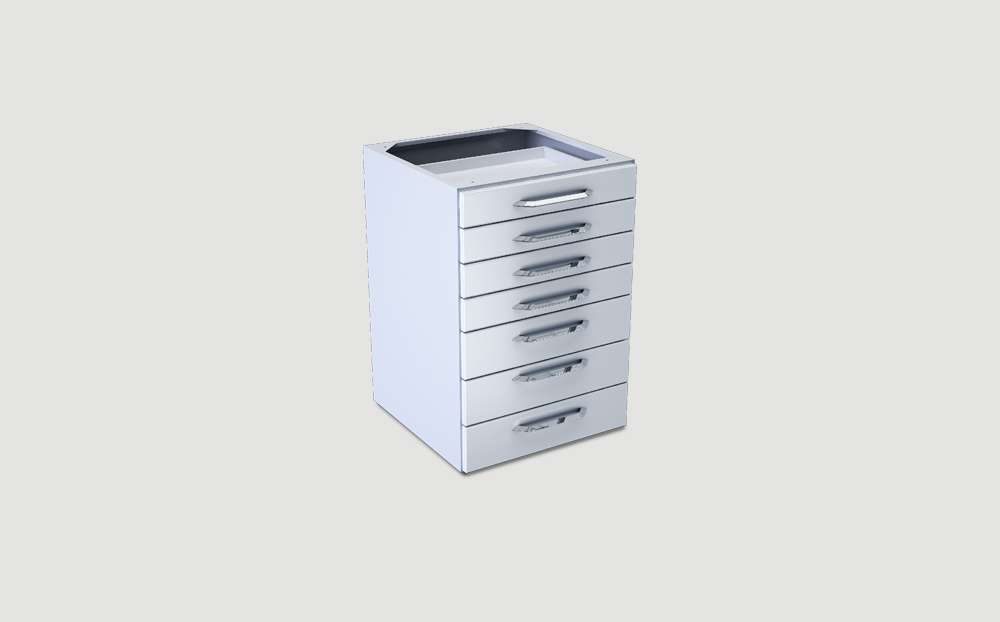
What are the benefits of using modular cabinets in dental clinics?

What are the benefits of using modular cabinets in dental clinics?

What are the benefits of using modular cabinets in dental clinics?

There are several benefits to using modular cabinets in dental clinics, including:

  1. Flexibility: Modular cabinets can be easily reconfigured and adapted to changing needs and workflows. This means that they can be used to create custom storage solutions that meet the specific needs of the clinic.
  2. Space efficiency: Modular cabinets are designed to maximize storage space and minimize floor space. This means that they can help to make the most of the available space in the clinic, which is especially important in smaller clinics.
  3. Organization: Modular cabinets can help to promote organization and efficiency in the clinic. By providing designated storage spaces for different types of equipment and supplies, modular cabinets can help to reduce clutter and save time during procedures.
  4. Durability: Modular cabinets are designed to be durable and long-lasting, with sturdy construction and high-quality materials. This means that they can withstand the wear and tear of regular use and provide a reliable storage solution for years to come.
  5. Aesthetic appeal: Modular cabinets are available in a wide range of styles and finishes, which means that they can be customized to match the décor and style of the clinic. This can help to create a cohesive and professional look throughout the clinic.

Overall, modular cabinets offer a versatile, space-efficient, and organized storage solution for dental clinics. By using modular cabinets, clinics can optimize their storage space, improve their workflows, and enhance the overall functionality and aesthetic appeal of the clinic.

What are the benefits of using modular cabinets in dental clinics?
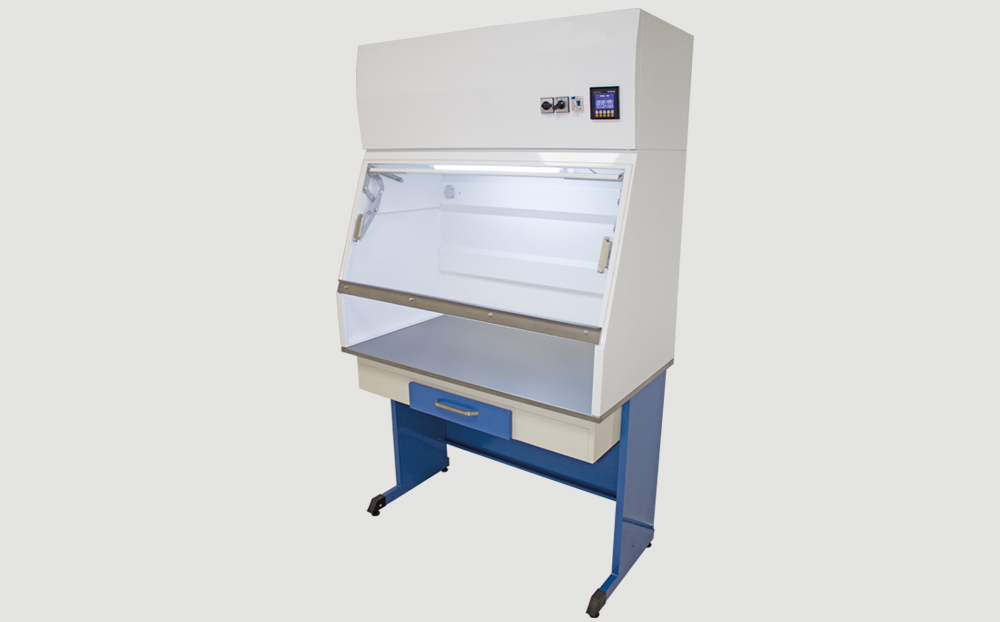
What should we pay attention to when choosing devices in the dental laboratory?

What should we pay attention to when choosing devices in the dental laboratory?

What should we pay attention to when choosing devices in the dental laboratory?

When choosing devices for a dental laboratory, there are several factors to consider. Here are some things to pay attention to:

  1. Functionality: The device should be capable of performing the intended functions and tasks required by the laboratory.
  2. Quality: The device should be of high quality and built to withstand the wear and tear of regular use. Look for devices that are made by reputable manufacturers and have a good track record in the industry.
  3. Compatibility: The device should be compatible with the other equipment and materials used in the laboratory to ensure that it integrates seamlessly with the existing workflow.
  4. Ease of use: The device should be user-friendly and easy to operate, with clear instructions and intuitive controls.
  5. Maintenance and support: The device should be easy to maintain and repair, and the manufacturer should provide good customer support and training.
  6. Safety: The device should be safe to operate, with appropriate safety features and certifications.
  7. Cost: The device should be cost-effective, with a good balance between price and performance.

Overall, when choosing device for a dental laboratory, it’s important to prioritize functionality, quality, compatibility, ease of use, maintenance and support, safety, and cost. By taking these factors into consideration, you can select devices that will help to optimize the efficiency, accuracy, and safety of the laboratory’s workflow.

What should we pay attention to when choosing devices in the dental laboratory?

How should the Workbenches used in the dental laboratory be?

Workbenches used in the dental laboratory

How should the Workbenches used in the dental laboratory be?

Workbenches used in dental laboratories should be designed to provide a comfortable and efficient workspace for dental technicians. Here are some guidelines for designing workbenches for dental laboratories:

  1. Size: Workbenches should be large enough to accommodate all necessary equipment and materials, but not so large that they take up too much space in the laboratory.
  2. Height: The height of the workbench should be adjustable to accommodate different technicians and tasks. The bench should be ergonomically designed to reduce strain on the back and neck.
  3. Organization: The workbench should be designed to provide easy access to all necessary equipment and materials. This can be achieved through the use of shelves, drawers, and other storage solutions.
  4. Lighting: Adequate lighting should be provided above the workbench to ensure that technicians can see their work clearly.
  5. Ventilation: The workbench should be equipped with adequate ventilation to prevent the buildup of fumes and dust.
  6. Durability: The workbench should be constructed of durable materials that can withstand regular use and cleaning.
  7. Flexibility: The workbench should be designed to be adaptable to different types of tasks and workflows. This can be achieved through the use of modular components or adjustable features.

Overall, workbenches used in dental laboratories should be designed with the comfort and efficiency of technicians in mind, while also providing easy access to equipment and materials, adequate lighting and ventilation, and durability to withstand regular use.

How should the Workbenches used in the dental laboratory be?

Translate »