Importance of Medical Gas Management System

Importance of Medical Gas Management System

Importance of Medical Gas Management System

A medical gas management system is essential for ensuring the safe and efficient delivery of medical gases to patients in healthcare facilities. Here are some of the key reasons why a well-designed medical gas management system is critical:

  1. Patient Safety: Medical gases can be dangerous if not properly handled, which can pose a risk to patient safety. A medical gas management system ensures that medical gases are delivered safely and reliably to patients, minimizing the risk of adverse events.
  2. Compliance: Healthcare facilities are subject to strict regulatory requirements and standards for medical gas systems. A medical gas management system ensures compliance with these regulations, which helps to avoid fines, legal issues, and other consequences of non-compliance.
  3. Efficiency: An effective medical gas management system helps to optimize the use of medical gases, reducing waste and minimizing the cost of medical gas supplies. This can result in significant cost savings for healthcare facilities.
  4. Maintenance: A medical gas management system helps to ensure that medical gas equipment is regularly maintained and serviced, which helps to extend the lifespan of equipment and minimize downtime due to equipment failure.
  5. Quality Assurance: A medical gas management system provides a framework for monitoring and assessing the quality of medical gas supplies and equipment. This helps to ensure that the medical gases delivered to patients are of the highest quality, minimizing the risk of adverse events and improving patient outcomes.

In summary, a well-designed medical gas management system is essential for ensuring patient safety, compliance with regulations, efficient use of resources, maintenance of equipment, and quality assurance.

Importance of Medical Gas Management System

Importance of Medical Gas System in Hospitals

Importance of Medical Gas System in Hospitals

Importance of Medical Gas System in Hospitals

Medical gas systems play a critical role in the operation of hospitals and other healthcare facilities. These systems provide a safe and reliable source of gases, such as oxygen, nitrogen, and nitrous oxide, which are used for patient care, medical procedures, and other applications.

Here are some key reasons why medical gas systems are essential for hospitals:

  1. Patient Care: Medical gas systems are used to deliver oxygen to patients with respiratory problems, such as asthma, chronic obstructive pulmonary disease (COPD), and pneumonia. They also provide a source of nitrous oxide, which is commonly used as a pain reliever during childbirth or dental procedures.https://emaglobe.com/medical-gas-systems/
  2. Surgical Procedures: Medical gas systems are crucial for surgical procedures, where oxygen and nitrous oxide are used to anesthetize patients and control their breathing. Other gases, such as nitrogen and carbon dioxide, may be used to create an optimal surgical environment.
  3. Emergency Situations: Medical gas systems are vital during emergency situations, such as cardiac arrest or respiratory failure, where patients require immediate access to oxygen.
  4. Safety: Medical gas systems must comply with strict safety standards to ensure patient safety and prevent accidents. These standards cover everything from the design and installation of the system to the maintenance and operation of the equipment.

In summary, medical gas systems are an essential component of modern healthcare facilities. They provide a reliable and safe source of medical gases that are critical for patient care, surgical procedures, emergency situations, and other medical applications.

Importance of Medical Gas System in Hospitals

Dental Laboratory Workbench and Ergonomics

Dental Laboratory Workbench and Ergonomics

Dental Laboratory Workbench and Ergonomics

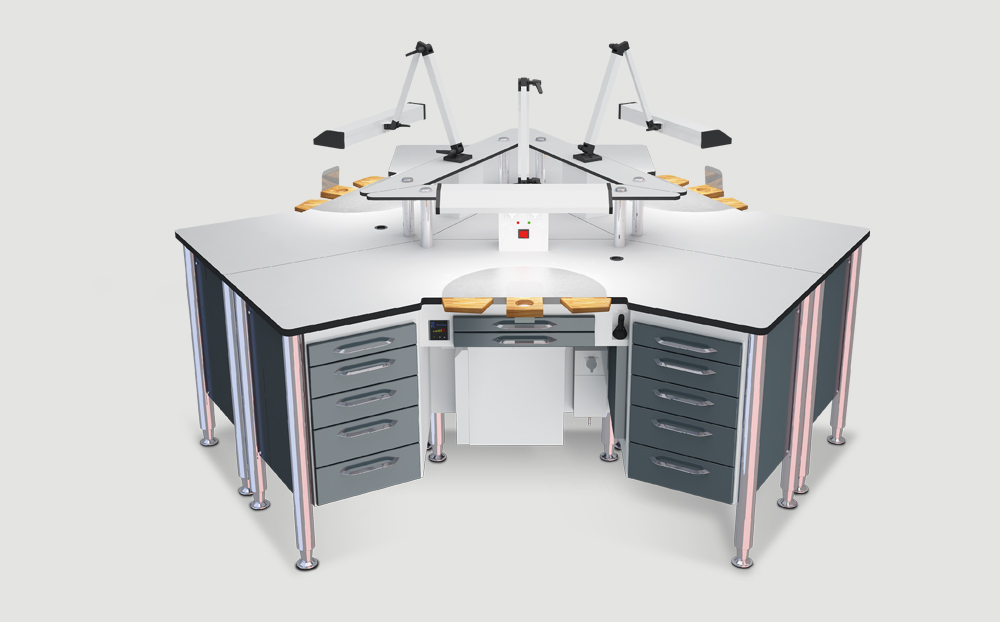
Ergonomics is an important consideration when designing a dental laboratory workbench. Here are some ways in which ergonomics can be incorporated into the design of a dental laboratory workbench:

  1. Height: The height of the workbench should be adjustable to accommodate different body types and working positions. Ideally, the work surface should be at elbow height or slightly lower to reduce strain on the shoulders and arms.
  2. Lighting: Adequate lighting is essential for good visibility and to prevent eye strain. The workbench should be designed to allow for adjustable lighting, either through built-in lights or by positioning the workbench near a window or other source of natural light.
  3. Storage: The workbench should have adequate storage space to keep instruments and materials within easy reach. This helps to reduce the need to reach, twist or bend to access tools, which can cause strain and discomfort.
  4. Footrest: A footrest can be used to reduce strain on the legs and back by providing support and improving blood flow.
  5. Chair: A good quality, adjustable chair with a supportive backrest and armrests can help to reduce strain on the back, neck, and shoulders.
  6. Ventilation: Adequate ventilation is important in a dental laboratory to remove fumes and other irritants from the air. The workbench should be designed to allow for good ventilation, either through the use of an exhaust hood or by positioning the workbench near a window or other source of fresh air.

By incorporating these ergonomic considerations into the design of a dental laboratory workbench, it is possible to create a comfortable and efficient workspace that reduces the risk of injury and improves productivity.

Dental Laboratory Workbench and Ergonomics

Translate »